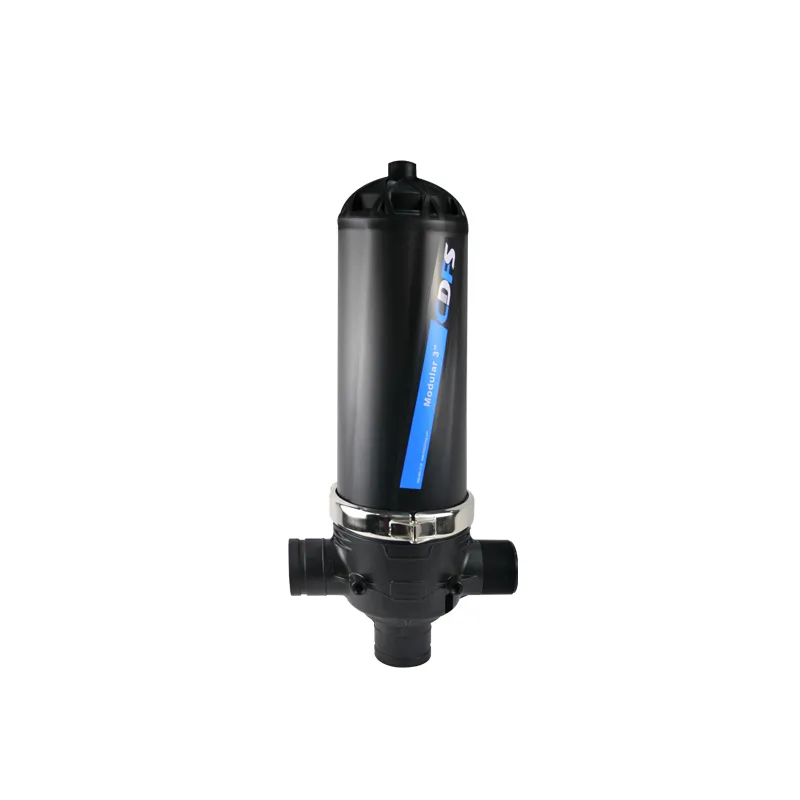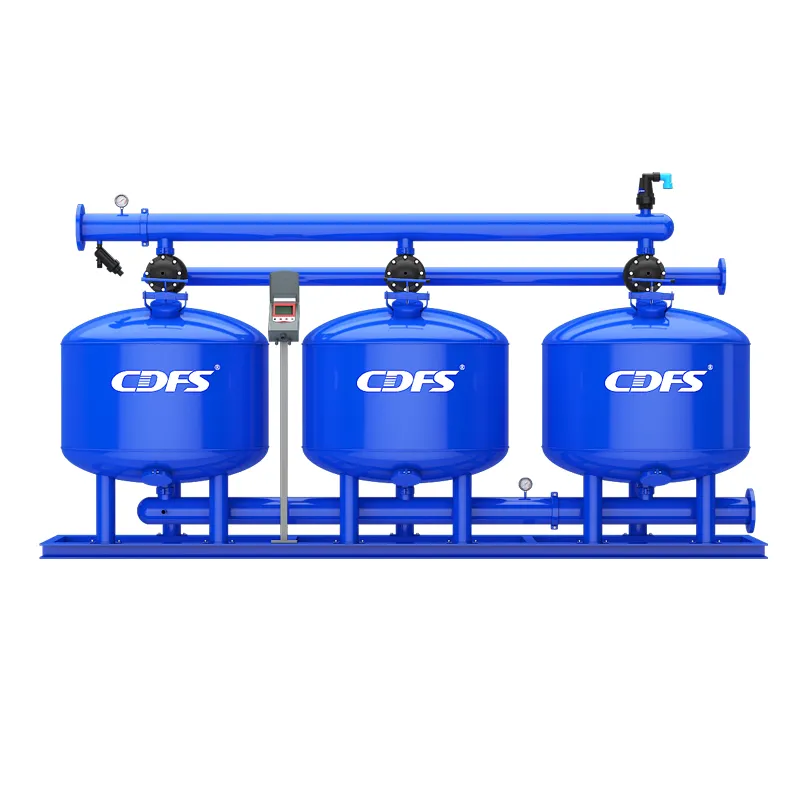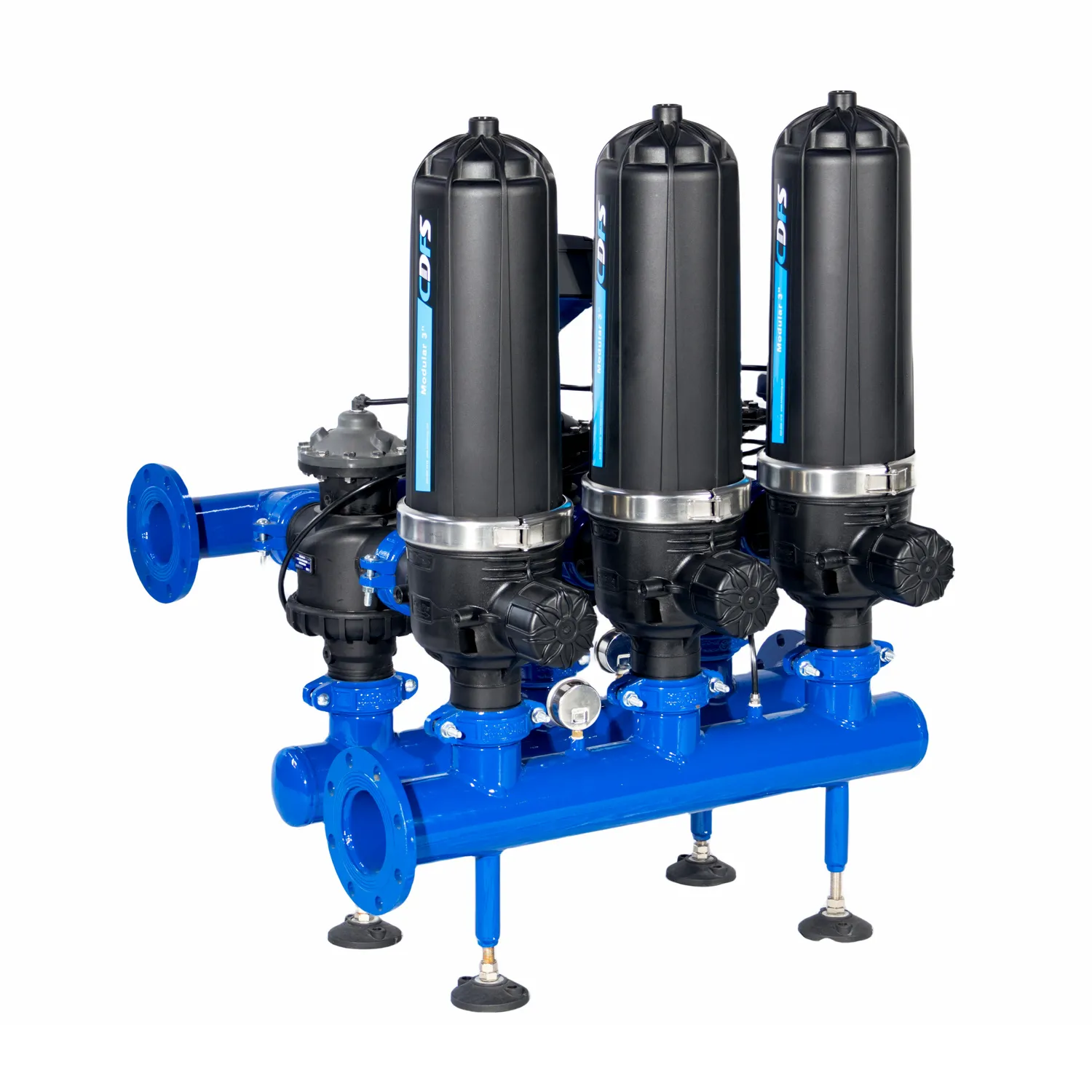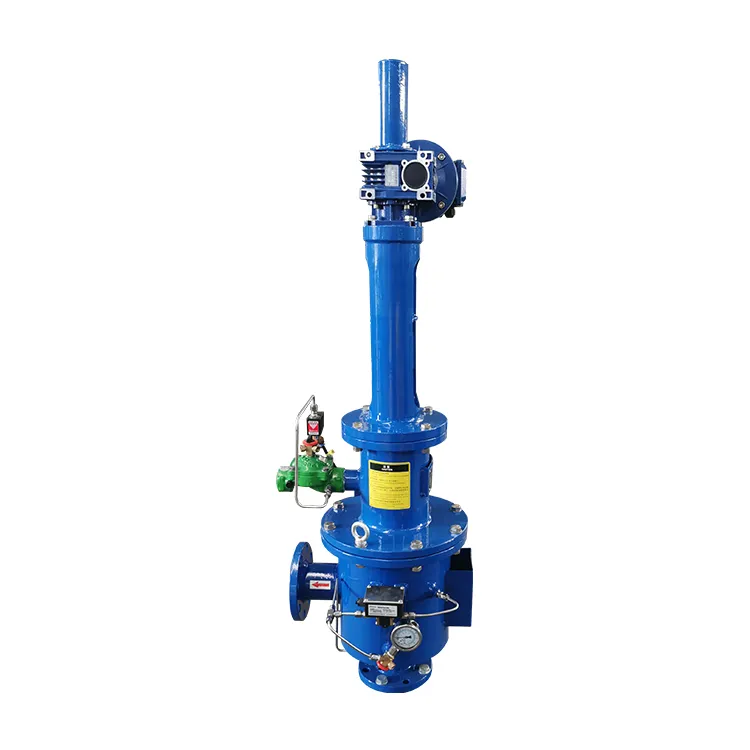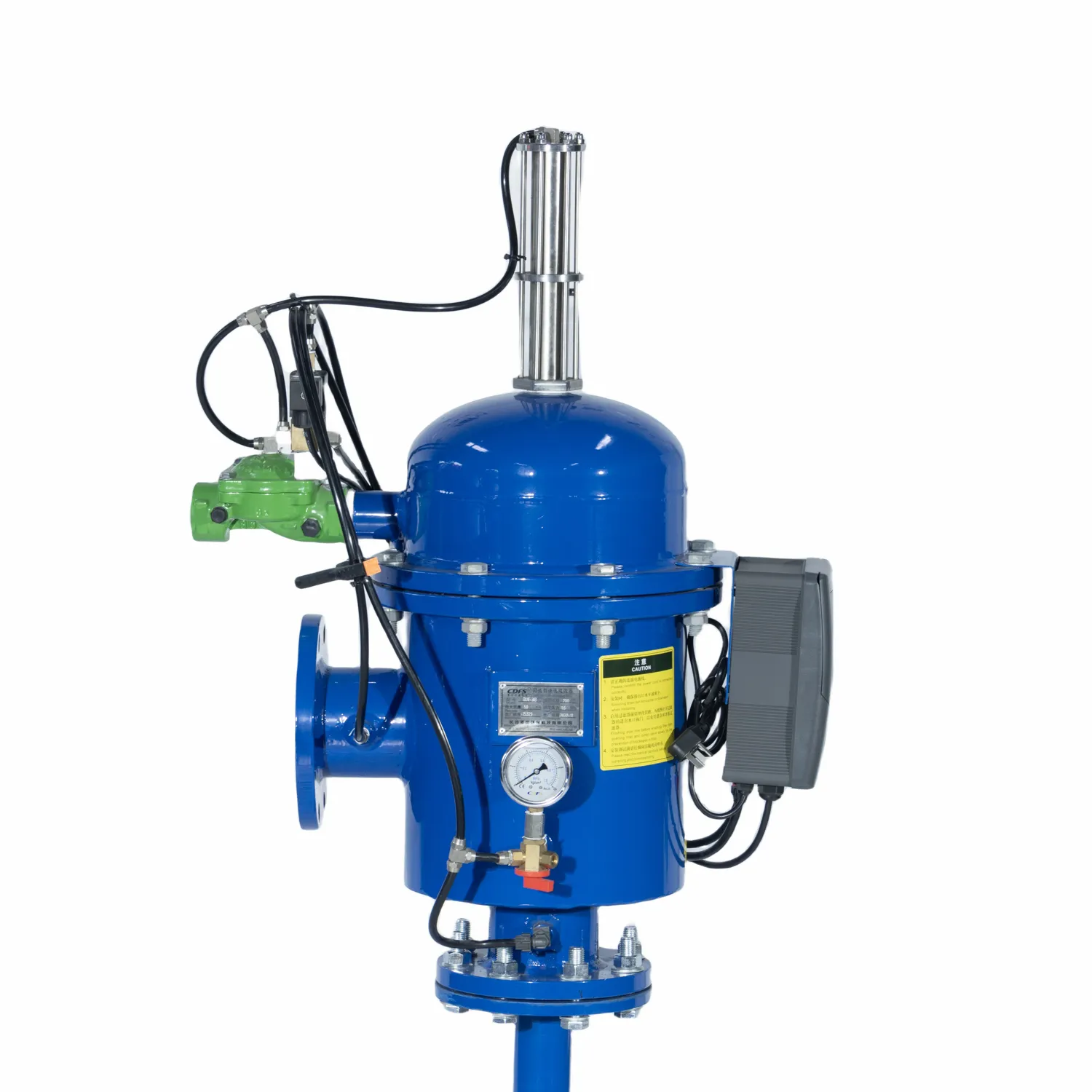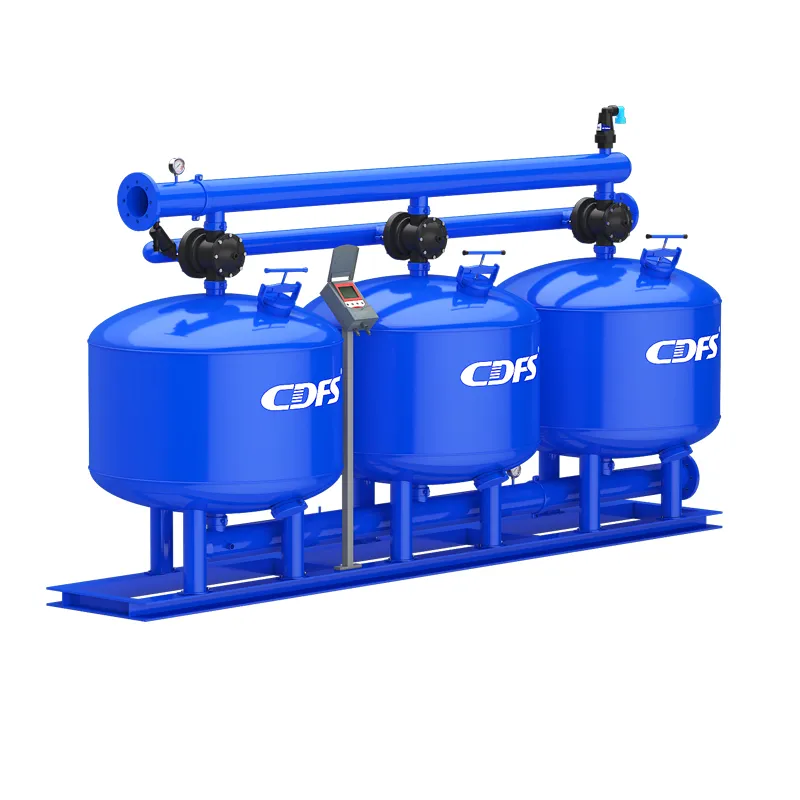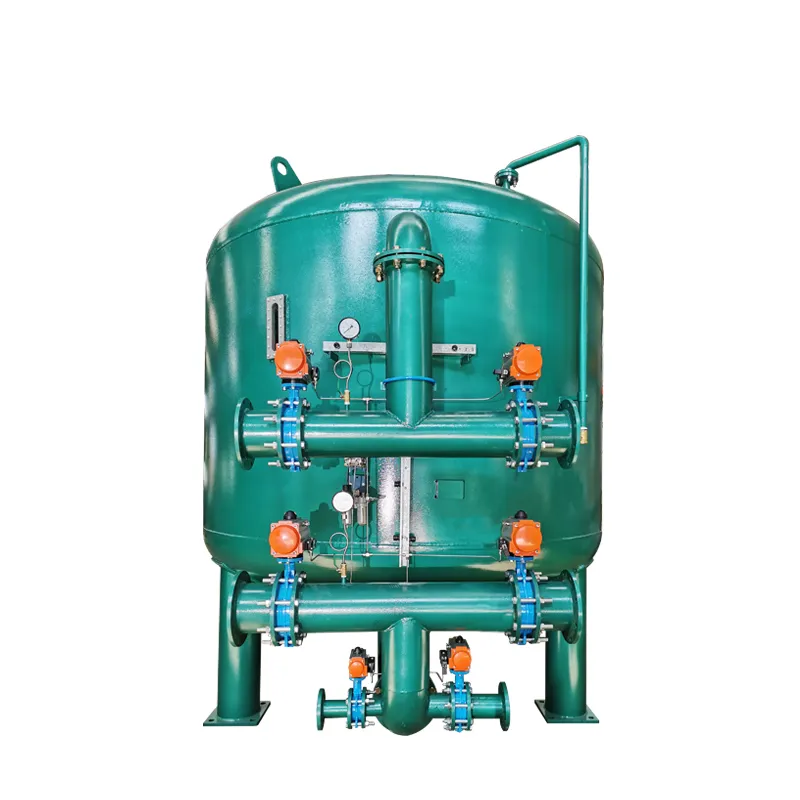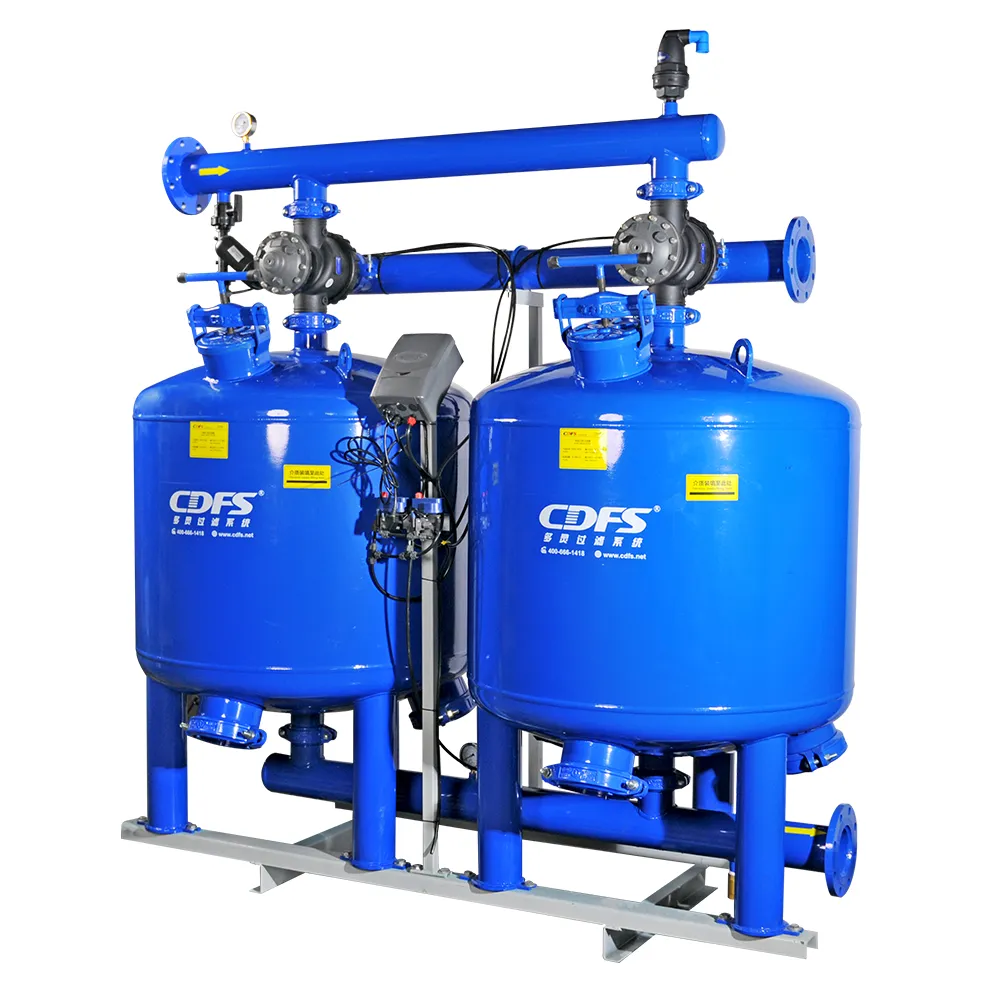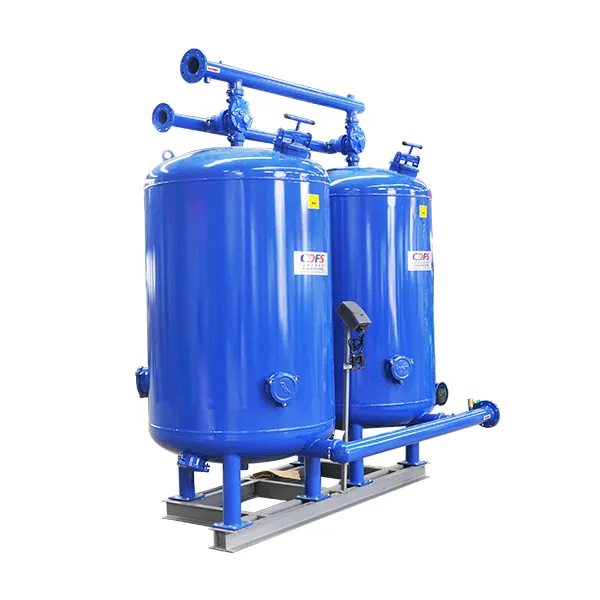
One of the major benefits of using filtration system for irrigation is their contribution to water conservation. By protecting emitters from clogging, they enable consistent and precise water delivery, minimizing waste. This is especially valuable in regions facing water scarcity, where efficient irrigation is essential for maintaining crop yields without depleting natural water sources.
Maintenance of filtration system for irrigation is streamlined through features such as quick-release filter elements and tool-free access panels. These design considerations minimize labor requirements and system downtime, allowing farmers and technicians to perform regular upkeep swiftly and keep irrigation running smoothly during critical planting and harvesting periods.
Q: What is the primary function of a irrigation filter? A: The main function of a irrigation filter is to remove debris, sand, silt, and other particles from irrigation water, ensuring clean water is delivered to crops or landscapes. This protects irrigation equipment and improves water distribution efficiency. Q: What types of contaminants can a irrigation filter remove? A: A irrigation filter can effectively filter out suspended solids such as organic matter, algae, sediment, and other particles that can clog irrigation systems and reduce their performance over time. Q: How often should a irrigation filter be cleaned or maintained? A: Maintenance depends on water quality and system usage, but generally, a irrigation filter should be inspected and cleaned regularly, with backwashing or manual flushing performed to maintain optimal filtration efficiency. Q: Are there different types of irrigation filter for different irrigation systems? A: Yes, there are various irrigation filter types such as screen filters, disc filters, and media filters, each suitable for different irrigation setups including drip, sprinkler, and pivot systems depending on the level of filtration needed. Q: Can a irrigation filter improve the lifespan of irrigation equipment? A: Absolutely. By filtering out harmful debris and particles, a irrigation filter reduces wear and tear on valves, emitters, and pipes, extending the service life of the entire irrigation system.
The stacked discs provide very precise filtration, which has noticeably improved our water quality. Our irrigation system runs smoother and equipment lasts longer.
This screen filter works very well for our irrigation system. It effectively traps particles and keeps water flow steady. Cleaning is quick and easy, which saves us time.
To protect the privacy of our buyers, only public service email domains like Gmail, Yahoo, and MSN will be displayed. Additionally, only a limited portion of the inquiry content will be shown.
Interested in a compact disc filter with low maintenance for greenhouse irrigation. Please share pro...



 EN
EN
 FR
FR
 NL
NL
 RU
RU
 AR
AR
 VI
VI
 LO
LO
 RO
RO
 TH
TH
 MY
MY
 MS
MS
 PT
PT
 ES
ES
 KO
KO
 BE
BE
 JA
JA
 FIL
FIL
 KA
KA
 DE
DE
 IT
IT