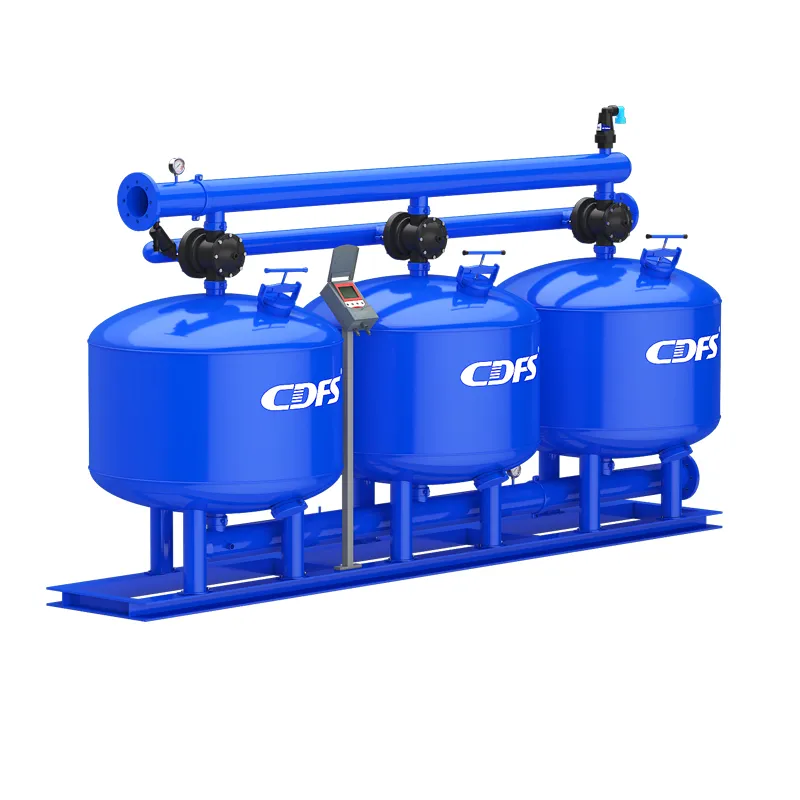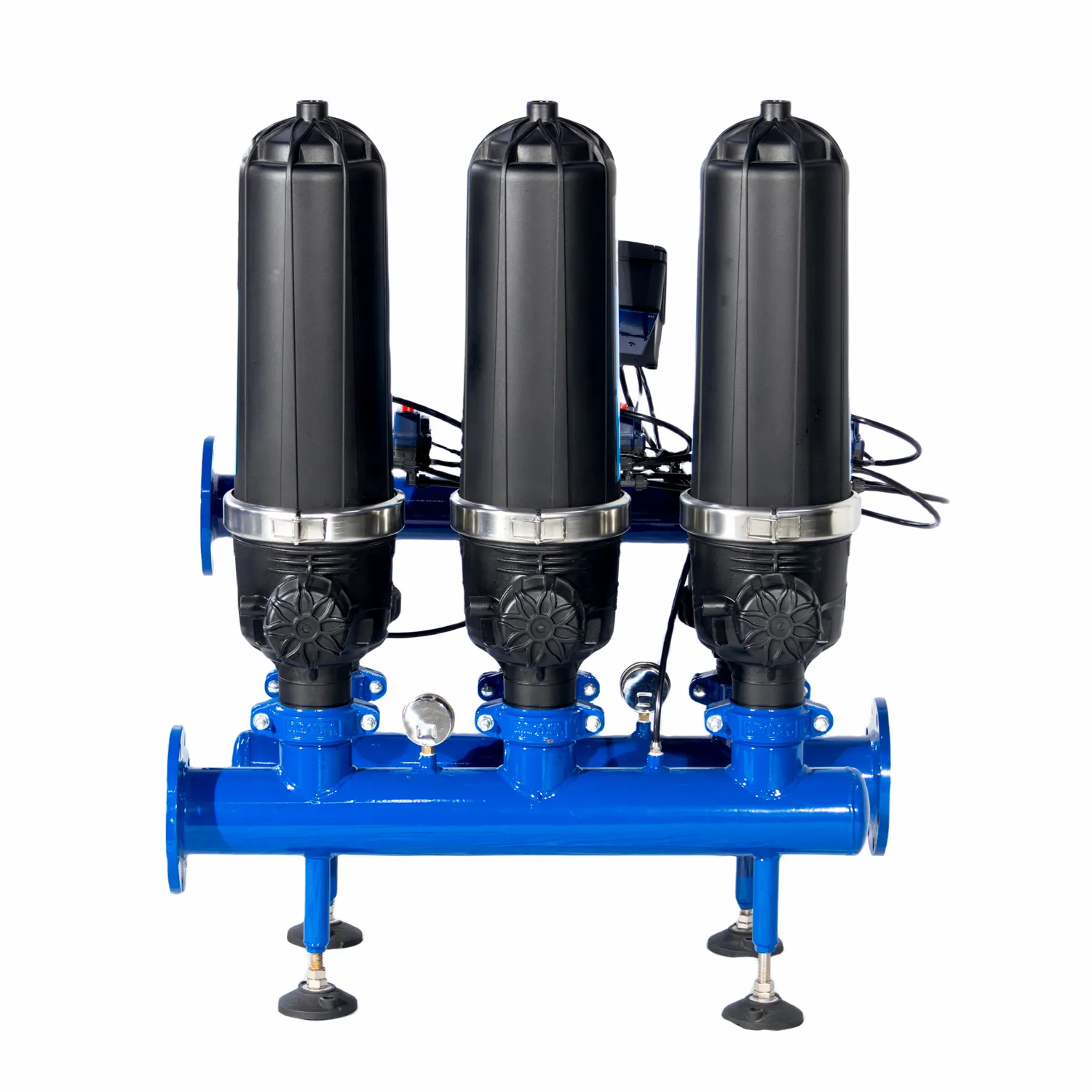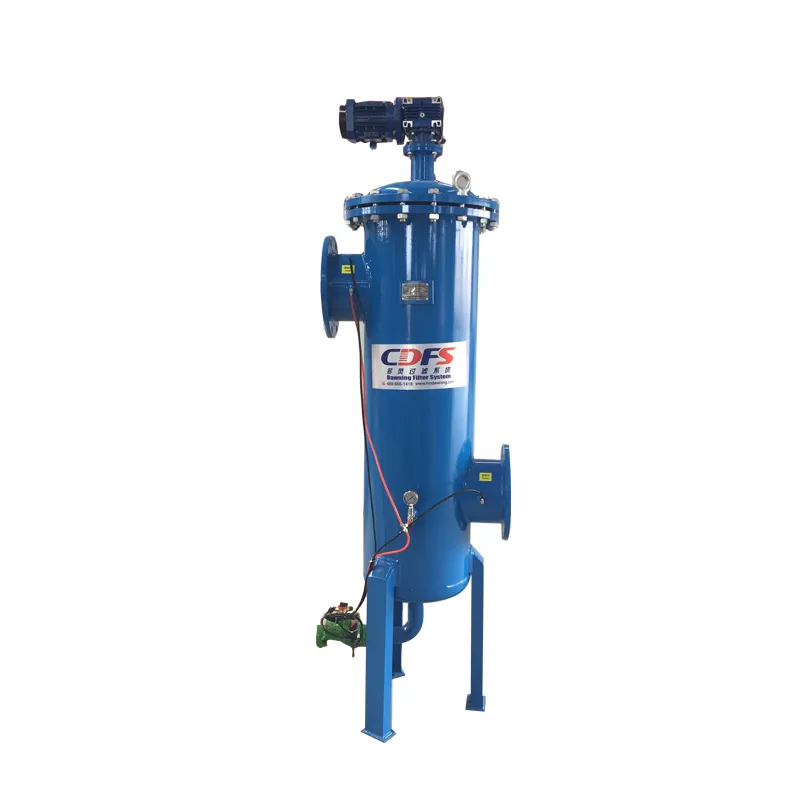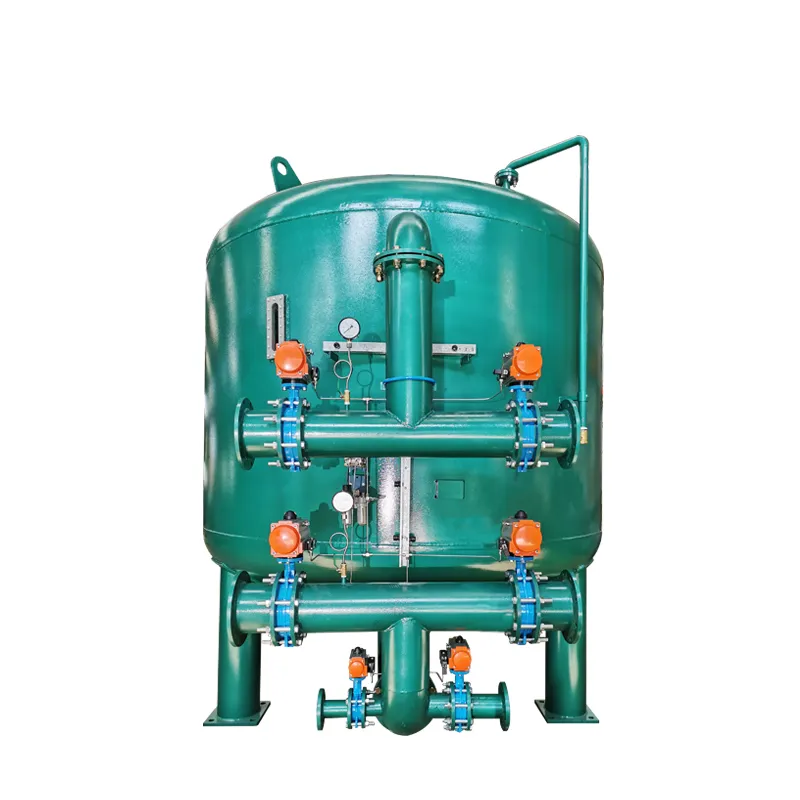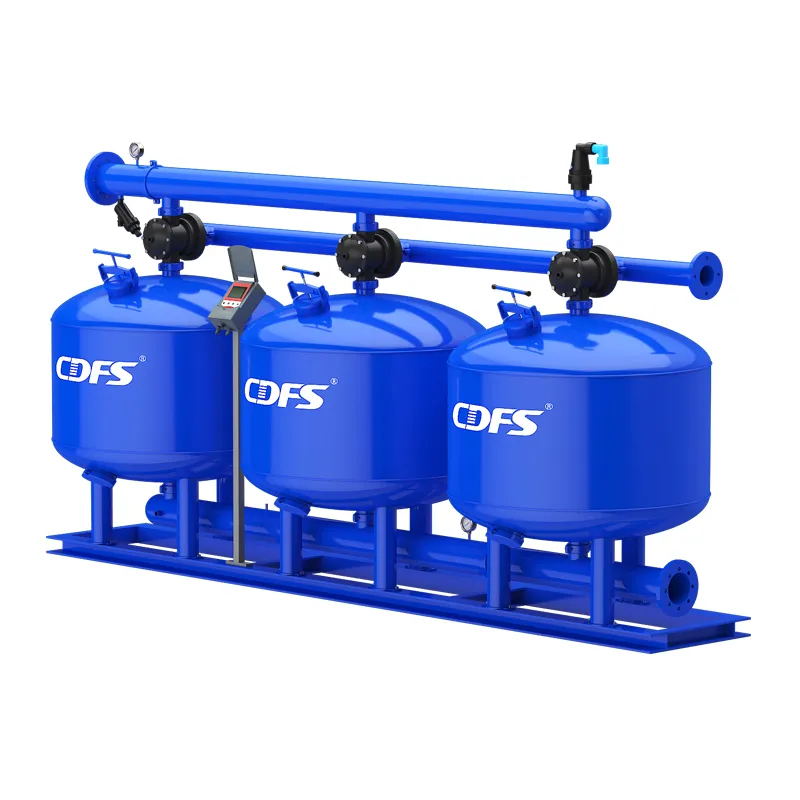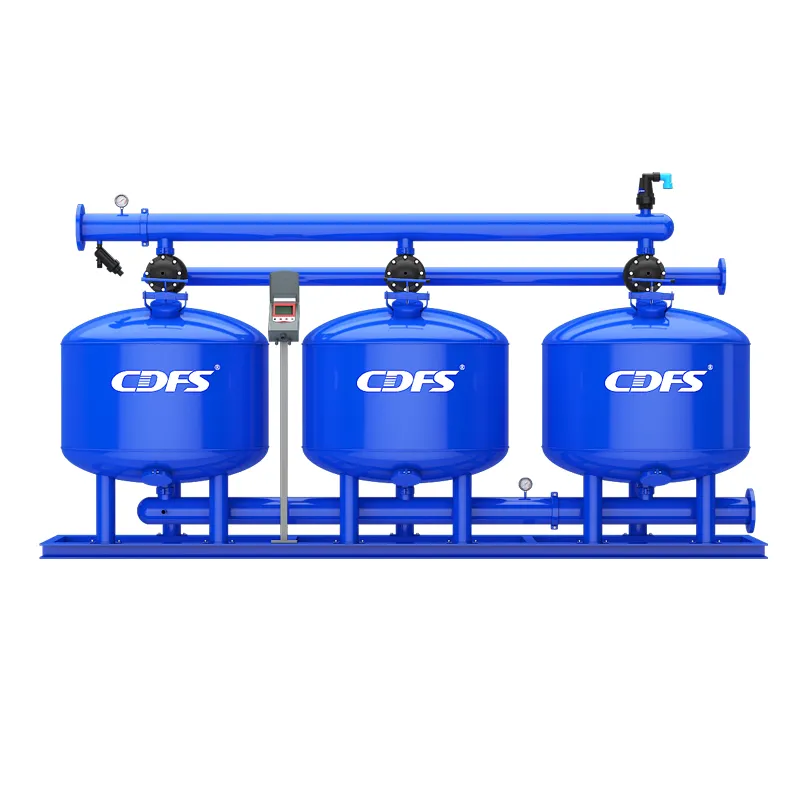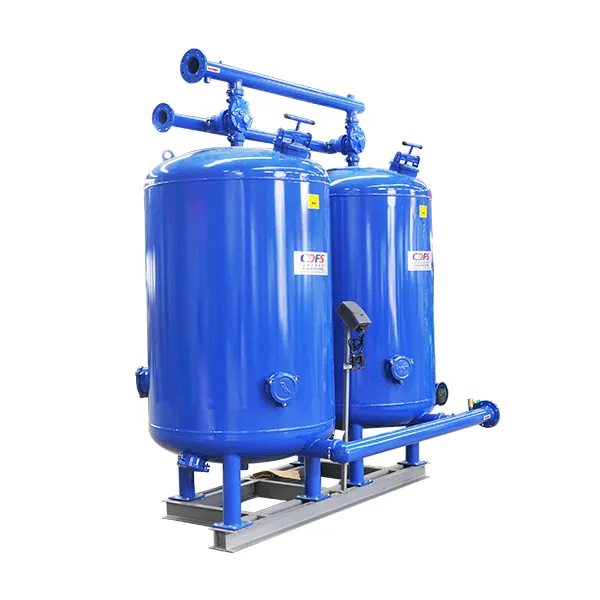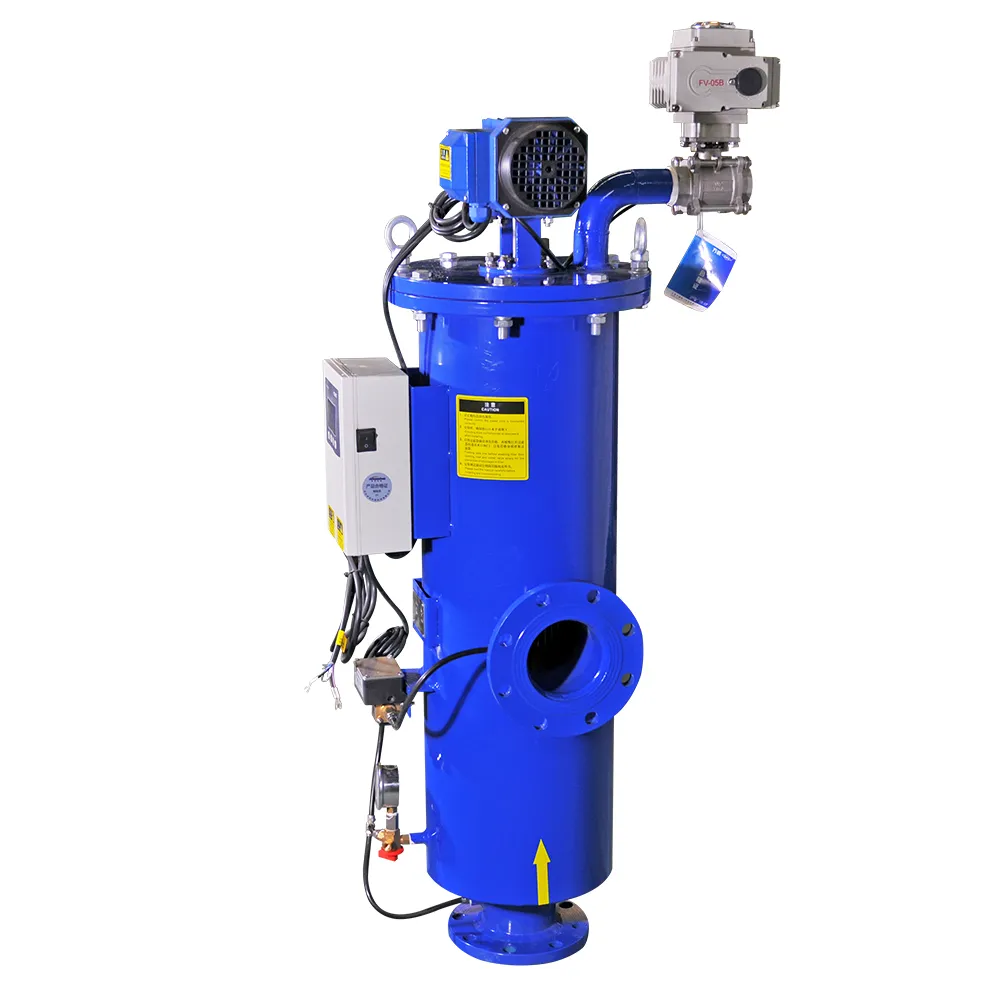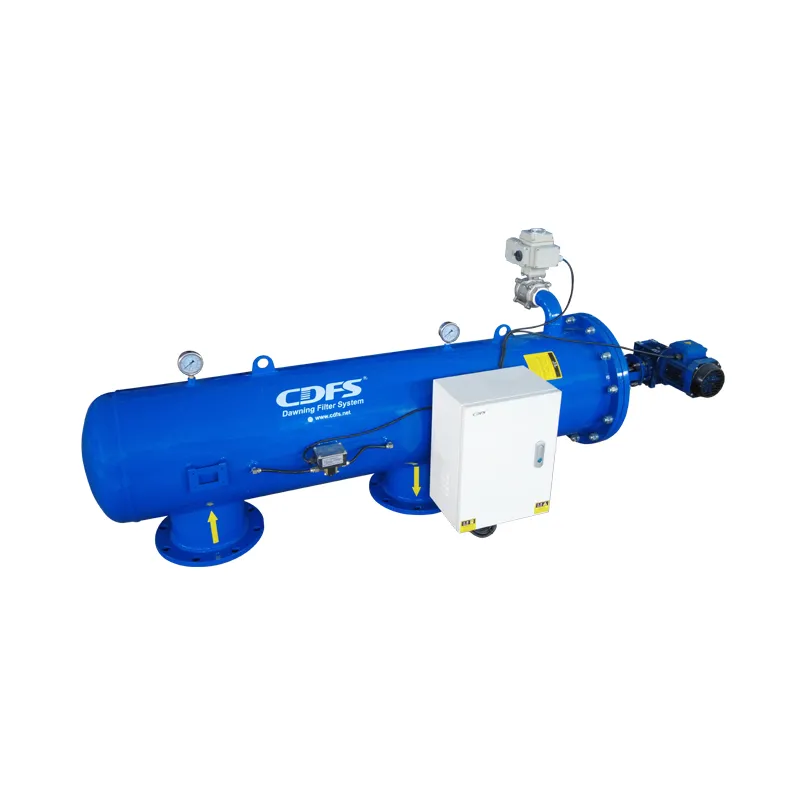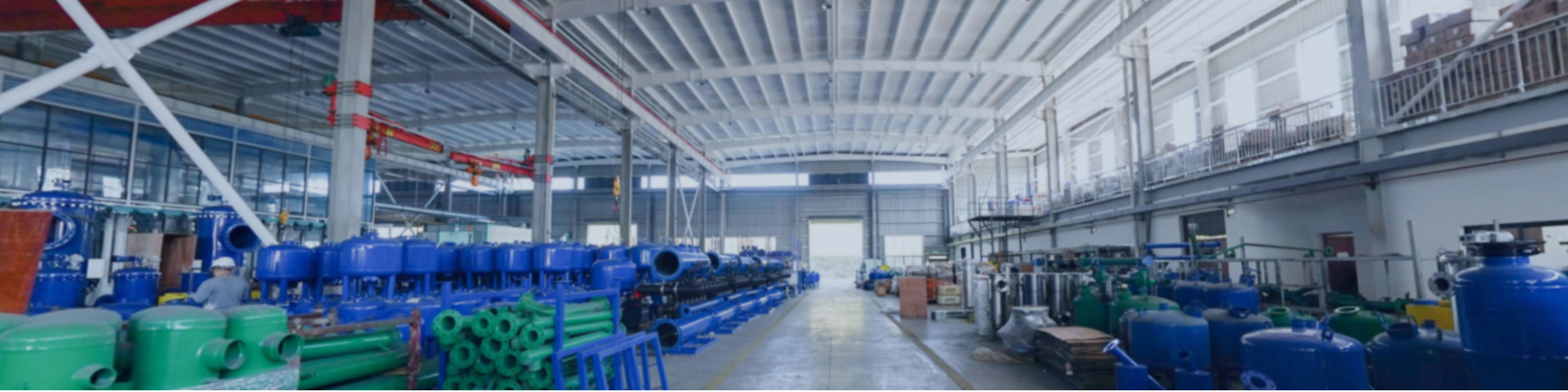
media filtration agriculture use factory Manufacturer are structured to handle the complete manufacturing process, including media selection, housing fabrication, testing, and system calibration. This integrated workflow ensures tight control over product quality and operational consistency. Equipped with advanced machinery and trained personnel, media filtration agriculture use factory Manufacturer can adapt production runs to suit bulk orders or customized designs, offering clients dependable solutions with quick turnaround times and assured performance standards.
Post-production activities at a media filtration agriculture use factory Manufacturer include thorough cleaning, labeling, documentation, and packaging. Each media filter is assigned a serial number and provided with test certificates, user manuals, and technical drawings. These documents are packed with the unit to support proper installation, maintenance, and compliance with industry standards wherever the filter is deployed.
Q: What filtration capacities are typically supported by systems from Media filter factory? A: Media filter factory offer media filters in a wide range of capacities, from compact units for small-scale irrigation to large industrial systems capable of processing thousands of cubic meters of water per hour, depending on the application. Q: How does the layered media bed in filters from Media filter factory enhance performance? A: The multi-layer design used by Media filter factory—often combining coarse and fine media—improves sediment capture efficiency and prevents clogging, allowing for more consistent flow rates and longer operation between backwashing cycles. Q: Are media filters from Media filter factory suitable for high-pressure systems? A: Yes, Media filter factory manufactures filters with reinforced vessels and pressure-rated components that are specifically engineered to perform safely and effectively under high-pressure conditions in industrial applications. Q: What makes Media filter factory media filters ideal for agricultural irrigation systems? A: The filters from Media filter factory are designed to remove suspended particles that could clog drip lines or sprinklers, ensuring even water distribution and protecting crops while operating efficiently in remote or large-scale farm setups. Q: Do media filters from Media filter factory require specialized installation services? A: While installation procedures vary by model, Media filter factory typically designs their filters for straightforward assembly and provides comprehensive technical support to ensure proper integration with existing water treatment infrastructure.
Very effective at removing impurities between 50-500 microns. The water flow remains consistent, and the filter is easy to operate with minimal downtime.
I’m impressed by how well this filter intercepts silt. It has significantly reduced maintenance costs and keeps the water clean without affecting pressure.
To protect the privacy of our buyers, only public service email domains like Gmail, Yahoo, and MSN will be displayed. Additionally, only a limited portion of the inquiry content will be shown.
Can your irrigation filters be automated for timer-based backwashing? Looking for solutions to reduc...
Can your disc filter models reduce water consumption during backflushing? Need something efficient f...



 EN
EN
 FR
FR
 NL
NL
 RU
RU
 AR
AR
 VI
VI
 LO
LO
 RO
RO
 TH
TH
 MY
MY
 MS
MS
 PT
PT
 ES
ES
 KO
KO
 BE
BE
 JA
JA
 FIL
FIL
 KA
KA
 DE
DE
 IT
IT